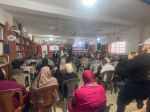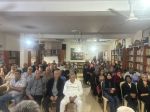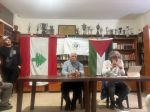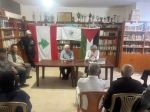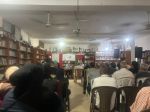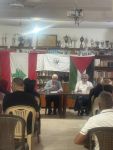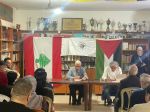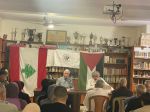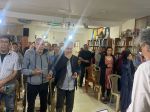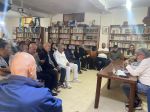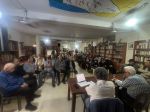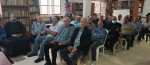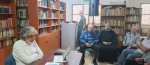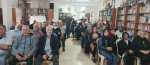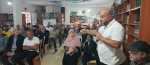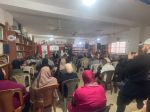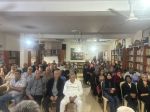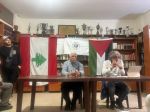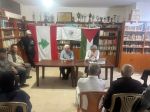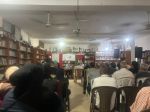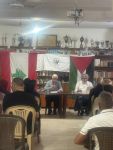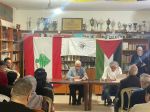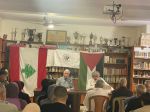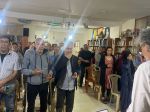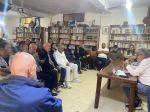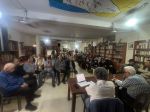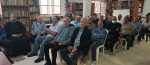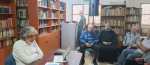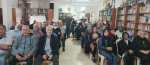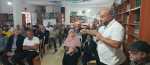
مركز الأطفال والفتوة يحي الذكرى الثامنة والسبعون باقامة ندوة حوارية، بعنوان:
مراجعة التجربة الكفاحية للشعب الفلسطيني في ظل تداعيات الأوضاع الراهنة
افتتح السيد أبو مجاهد مدير المركزالندوة بالوقوف دقيقة صمت على أرواح الشهداء، مرحبا بالحضور، فصائل ولجان وهيئات والضيوف وأهل المخيم الصامدين. ومرحبا بالمحاضرالأستاذ أياد عبدالعال منسق المؤتمر الشعبي الفلسطيني 14 مليون في لبنان.
ؤأشاد ابو مجاهد بالنضال والصمود الفلسطيني المستمر، مستذكرا المحطات الأساسية والرموز التي قادت واستشهدت منذ التصدي للهجرة الصهيونية والاستعمار البريطاني ووعد بلفور والنكبة واللجوء وظلم الجوار العربي نموذج لبنان. وصولا لطوفان الاقصى للعدوان على لبنان ووحدة محور المقاومة. منوها بمحطات الانتصار والتصدي الاستراتيجي للعدو بالثورات وانتفاضات ومعركة الكرامة ويوم الارض والانت. فاضتين والتصدي البطولي في غزة والضفة وصولا للطوفان المجيد. لافتا لحالة المخيمات والقصور في الخدمات للانروا وضعف ادارة المخيمات خصوصا التعليم والصحة والبيئة، والسلوكيات الخاظئة بلا رادع بصورة لا تليق بتضحيات المخيم، ولا تتناسب مع طموح وحلم الأجيال بمجتمع حر مستقل.
بدوره تحدث المحاضر الأستاذ أياد عبدالعال، عن النكبة، والسردية الفلسطينية التي تغيّر العالم
معتبرا ان النكبة الفلسطينية ليست حدثًا تاريخيًا انتهى في الخامس عشر من أيار عام 1948، او مجرد ذكرى نستحضرها كل عام عبر الصور والروايات والشهادات. النكبة بالنسبة للفلسطيني واقع يومي مستمر، يعيشه في المخيم، والمنافي. ان النكبة مشروعًا استعماريًا مستمرًا، تعود جذوره الى مؤتمر بازل في سويسرا، حين وضعت الحركة الصهيونية العالمية أسس إقامة كيان استيطاني في فلسطين يخدم المصالح الغربية ، أتى وعد بلفور ليمنح هذا المشروع غطاءً سياسيًا وقانونيًا من قوة استعمارية كبرى..
كانت فلسطين قبل النكبة وطنًا حيًا نابضًا بالحضارة والثقافة والاقتصاد، وليست “أرضًا بلا شعب” كما روّجت الدعاية الصهيونية. كانت مدن مثل القدس ويافا وحيفا مراكز ثقافية وتجارية مزدهرة قبل ارتكاب العصابات الصهيونية المجازر وعمليات التطهير العرقي، فدمرت مئات القرى الفلسطينية، وهجّرت قسريا أكثر من 750 ألف فلسطيني من أرضهم.
لم يتوقف الشعب الفلسطيني عن مقاومة الاحتلال والدفاع عن حقوقه الوطنية. وتنويع أدوات النضال الفلسطيني عبر العقود، من العمل الفدائي إلى الانتفاضات الشعبية، ومن المواجهة السياسية والدبلوماسية إلى النضال الثقافي والإعلامي. وفي المقابل، استمر الاحتلال في سياساته القائمة على الاستيطان وتهويد القدس والحصار والحروب، خصوصًا على قطاع غزة، إلى جانب استهداف الهوية الوطنية والرواية الفلسطينية. فالمعركة لم تعد فقط معركة أرض وحدود، بل أيضًا معركة رواية ووعي. فالاحتلال أدرك مبكرًا أهمية السيطرة على الإعلام وصناعة الصورة، وسعى إلى تقديم نفسه للعالم باعتباره “الضحية”، وتشويه صورة الفلسطيني.. في حين شهدت السنوات الأخيرة تحولًا مهمًا، حيث بدأت الرواية الفلسطينية تفرض حضورها عالميًا، مستفيدة من الإعلام الرقمي ووسائل التواصل الاجتماعي، ومن قدرة الفلسطينيين والمتضامنين معهم على نقل الحقيقة بالصوت والصورة.
شكّلت عملية “طوفان الأقصى” وحرب الإبادة الجماعية على قطاع غزة محطة مفصلية في هذا التحول. فرغم حجم الدمار والقتل والمجازر التي ارتكبها الاحتلال، فإن صور الأطفال تحت الأنقاض، والمستشفيات المدمرة، ومعاناة المدنيين، كشفت للعالم حقيقة ما يجري في فلسطين، وأسهمت في انهيار جزء كبير من السردية الصهيونية التقليدية. لقد خرجت الملايين في عواصم العالم دفاعًا عن فلسطين، وارتفعت الأصوات داخل الجامعات ووسائل الإعلام الغربية ضد الاحتلال وسياساته. وأثبت الرواية الفلسطينية انها تمتلك قوة هائلة عندما تُقدَّم بصدق ومهنية، وتصل إلى شعوب العالم بلغاتهم وبأدوات العصرالحديثة. فالمعركة اليوم لم تعد تقتصرعلى ساحات المواجهة العسكرية، بل أصبحت معركة وعي عالمي، وتشكيل الرأي العام الدولي، وعلى كشف حقيقة الاستعمار والاستيطان والفصل العنصري الذي يمارسه الاحتلال، و يقع على عاتق الشباب الفلسطيني دور أساسي في حماية الهوية الوطنية وتحويل الوعي إلى فعل منظم ومستدام. وقادرعلى الوصول إلى العالم بشكل مباشر، بعيدًا عن احتكار المؤسسات الإعلامية التقليدية. ومن خلال المعرفة والتنظيم والعمل الجماعي لتحويل التعاطف العالمي مع فلسطين إلى قوة ضغط سياسية وثقافية وإنسانية حقيقية.
ختامًا، تبقى النكبة مستمرة ما دام الاحتلال قائمًا، لكن الثابت أيضًا أن الشعب الفلسطيني ما زال متمسكًا بحقوقه الوطنية والتاريخية، وفي مقدمتها حق العودة والحرية والاستقلال